
 English
 Español
 Portugues
 Pусский
 Français
 Deutsch
 한국어
한국어 العربية
 Italiano
 Svenska
 Polski
 ไทย
ไทย Türk dili
 हिन्दी
 Tiếng Việt
 中文
中文 dansk
dansk қазақ
қазақ বাংলা
বাংলা فارسی
فارسی українська
 беларускі
 Suomalainen
 o'zbek
 Србија
 پښتو
پښتو საქართველოს
 Shqipëria
 Afrikaans
UPVC ya ke sadisaka na kutula babombe ya kura
UPVC Electric Box Pipe Fitting Mould: Design, Functionality, and Applications UPVC (Unplasticized Polyvinyl Chloride) electric box pipe fitting moulds are specialized tools used in the injection molding process to manufacture precise and durable pipe fittings for electrical conduit systems. These moulds are designed to produce components such as elbows, tees, couplings, and adapters that ensure secure connections, protection, and efficient routing of electrical wiring in residential, commercial, and industrial settings. 1. Design and Construction The moulds are engineered with high-grade steel or aluminum to withstand high-pressure injection molding cycles while maintaining dimensional accuracy. Key design features include: - Core and Cavity: Precision-machined to create the internal and external geometries of the fittings, ensuring tight tolerances (typically ±0.05mm). - Cooling Channels: Optimized to reduce cycle times and prevent warping or defects in the final product. - Ejection System: Automated pins or plates to release the molded part smoothly without damage. - Venting: Small vents to eliminate trapped air, preventing voids or burn marks on the fittings. 2. Material and Performance UPVC is chosen for its flame resistance, corrosion resistance, and insulation properties. The mould must accommodate UPVC’s high melt viscosity and shrinkage rate (~1–2%) to produce fittings with: - Smooth surfaces to prevent wire abrasion. - Consistent wall thickness for structural integrity. - Accurate threading or snap-fit mechanisms for easy installation. 3. Manufacturing Process 1. Material Preparation: UPVC pellets are dried and fed into the injection molding machine. 2. Injection: Molten UPVC is injected into the mould at high pressure (800–1,500 bar) and temperature (180–210°C). 3. Cooling: The mould is cooled to solidify the part. 4. Ejection: The finished fitting is removed, and excess material (flash) is trimmed. 4. Quality Control Each mould undergoes rigorous testing to ensure: - Dimensional compliance with ISO/IEC electrical standards. - Pressure resistance (typically rated for 1.6 MPa or higher). - UV stability for outdoor use (if applicable). 5. Applications UPVC fittings from these moulds are widely used in: - Concealed or surface-mounted electrical conduits. - Cable management in harsh environments (e.g., chemical plants, underground installations). - Modular wiring systems in smart buildings. 6. Advantages - Durability: UPVC fittings resist moisture, chemicals, and physical impact. - Safety: Non-conductive and self-extinguishing. - Cost-Efficiency: Long mould lifespan (500,000+ cycles) reduces per-unit costs. Conclusion UPVC electric box pipe fitting moulds combine advanced engineering with material science to produce reliable, standardized components for modern electrical infrastructure. Their precision and adaptability make them indispensable in ensuring safe and efficient electrical installations worldwide.
Bima
kitini:
-
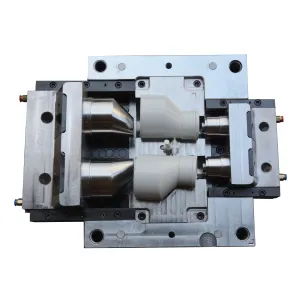
UPVC Kukulumusa ya Kufwanana ya Pipe
Kukabula: UPVC ya kutunga tiyoNtalu ya bantu me tala: 490Ntalu:Kilumbu ya kubasika: 2025-10-30 21:50:10UPVC Kukulumusa Elbow Mold ya Fit BapipeZina ya moule:UPVC Kukulumusa Elbow Fit Spipe Polise .Dibulu: 2 mabuluBunene ya mfututu:110x75Kibende: Germany2316 china2316 or4cr13 sambu na dibulu mpi ntuKielo :kielo ya directntungulu ya moule:NgoMpasi ya core/cavité: HRC 40-45°degree na nima ya kusadila tiya ya aspirateur . Mashini ya kuyidika bankisi: 250T Kulanda kele bansangu ya mfunu sambu na referansi na nge.1、 Mambu ya bo ke lombaka sambu na bikalulu ya bima ya PVC sambu na ngidika ya kuyidika bima .Na ntwala ya kusala ngidika ya kutunga, yo kele mfunu na kubakisa bikalulu ya kuswaswana ya PVC...
Nsangu
kitini:
-
[Company News]Foto ya bakiliya
2025-09-23 15:23:22
Mambu
kitini:
Ba mvutu ya kusosa kele ve!
Bavideo
kitini:
Ba mvutu ya kusosa kele ve!
Kubaka
kitini:
Ba mvutu ya kusosa kele ve!
Kubaka bantu na kisalu
kitini:
Ba mvutu ya kusosa kele ve!
Bima ya bo ke lomba
Ba mvutu ya kusosa kele ve!




 Nki
Nki Telefone