
 English
 Español
 Portugues
 Pусский
 Français
 Deutsch
 한국어
한국어 العربية
 Italiano
 Svenska
 Polski
 ไทย
ไทย Türk dili
 हिन्दी
 Tiếng Việt
 中文
中文 dansk
dansk қазақ
қазақ বাংলা
বাংলা فارسی
فارسی українська
 беларускі
 Suomalainen
 o'zbek
 Србија
 پښتو
پښتو საქართველოს
 Shqipëria
 Afrikaans
PVC ya nganda ya nsinga ya nsinga
PVC Outer Wire Mold: A Comprehensive Overview PVC outer wire molds are essential components in the manufacturing of insulated wires and cables, providing structural integrity, protection, and insulation. These molds are designed to shape and form the outer PVC (polyvinyl chloride) layer around conductive wires, ensuring durability, flexibility, and resistance to environmental factors. Below is a detailed exploration of their features, applications, and benefits. 1. Material and Design PVC outer wire molds are typically made from high-grade steel or aluminum, chosen for their durability, heat resistance, and precision. The molds are engineered with smooth internal surfaces to ensure uniform PVC coating without defects. Their design accommodates various wire diameters and insulation thicknesses, making them adaptable to different production requirements. Advanced molds may incorporate cooling channels to regulate temperature during the extrusion process, enhancing efficiency and product consistency. 2. Manufacturing Process The production of PVC-coated wires involves extruding molten PVC material through the mold, which shapes it into a seamless outer layer around the conductor. The mold’s precision ensures proper adhesion and thickness, critical for meeting industry standards. Key steps include: - Preheating: The mold is heated to prevent premature cooling of PVC. - Extrusion: Molten PVC is forced through the mold, forming a uniform coating. - Cooling: The coated wire passes through cooling systems to solidify the PVC layer. 3. Key Features - High Precision: Ensures consistent wire diameter and insulation thickness. - Durability: Resistant to wear and corrosion, extending mold lifespan. - Thermal Stability: Maintains performance under high-temperature extrusion. - Customizability: Adjustable for different wire sizes and insulation requirements. 4. Applications PVC outer wire molds are widely used in industries such as: - Electrical and Electronics: For power cords, appliance wires, and communication cables. - Automotive: Insulated wiring for vehicles. - Construction: Building wires requiring flame resistance and durability. 5. Advantages - Protection: Shields wires from moisture, chemicals, and mechanical damage. - Flexibility: PVC insulation allows easy bending and installation. - Cost-Effectiveness: Efficient production reduces material waste. 6. Maintenance and Longevity Regular cleaning and inspection prevent PVC buildup and wear. Proper storage in dry conditions avoids rust, ensuring consistent performance. Conclusion PVC outer wire molds play a pivotal role in producing reliable, high-quality insulated wires. Their precision engineering, material resilience, and adaptability make them indispensable in modern wire manufacturing. By ensuring optimal insulation and protection, these molds contribute to the safety and efficiency of electrical systems across industries. (Word count: 500)
Bima
kitini:
-
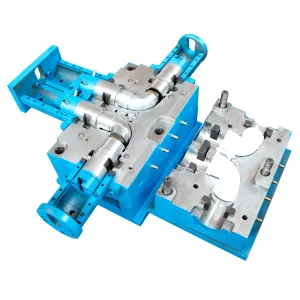
Pvc Elbow 90°C .
Kukabula: PVC ya kutunga tiyoNtalu ya bantu me tala: 519Ntalu:Kilumbu ya kubasika: 2025-10-28 20:25:25Pvc Elbow 90°C .Zina ya moule:pvc coude 90°pipe ya kufwanaCavité:2canBunene ya mfututu:50-110mmKibende: Germany2316 china2316 or4cr13 sambu na dibulu mpi ntuKielo :kielo ya directntungulu ya mfututu:Nzila ya mafutaMpasi ya core/cavité: HRC 40-45°degree na nima ya kusadila tiya ya aspirateur .Mashini ya kuyidika bankisi: 250-380T Pvc Elbow 90°C . Taizhou Huangyan Hong Jin mold Co., Ltd wasikidiswa muna mvu wa 2002.Tuna ye salu kia tunga e mpila yavangilwa yo vanga e nsongo mia lunga-lunga e tubi se vioka mvu 23.Beto kele na kiese ya kusala kumosi ti beno ya nda.Kulanda kele bansangu ya mfunu sa...
Nsangu
kitini:
Ba mvutu ya kusosa kele ve!
Mambu
kitini:
Bavideo
kitini:
Ba mvutu ya kusosa kele ve!
Kubaka
kitini:
Ba mvutu ya kusosa kele ve!
Kubaka bantu na kisalu
kitini:
Ba mvutu ya kusosa kele ve!
Bima ya bo ke lomba
Ba mvutu ya kusosa kele ve!




 Nki
Nki Telefone