
 English
 Español
 Portugues
 Pусский
 Français
 Deutsch
 한국어
한국어 العربية
 Italiano
 Svenska
 Polski
 ไทย
ไทย Türk dili
 हिन्दी
 Tiếng Việt
 中文
中文 dansk
dansk қазақ
қазақ বাংলা
বাংলা فارسی
فارسی українська
 беларускі
 Suomalainen
 o'zbek
 Србија
 پښتو
پښتو საქართველოს
 Shqipëria
 Afrikaans
Mole ya Nsinga ya Nganda
Outer Wire Mold: An Overview Outer wire mold refers to a type of surface-mounted wiring conduit system designed to protect and organize electrical wires and cables along walls, ceilings, or other exposed surfaces. Unlike concealed wiring, which is embedded within walls, outer wire mold provides a practical and aesthetically acceptable solution for routing electrical connections in environments where in-wall installation is impractical or too costly. Design and Construction Outer wire mold is typically made from durable materials such as PVC, metal, or flame-retardant plastics, ensuring safety and longevity. The system consists of a base channel that attaches to the surface and a removable cover that snaps or screws into place, allowing easy access to wires for maintenance or modifications. The design often includes smooth edges and neutral colors to blend with interior decor while maintaining a clean, professional appearance. Applications This wiring solution is widely used in commercial, industrial, and residential settings. Common applications include: - Retail Spaces: Concealing wiring for lighting, displays, or point-of-sale systems without structural alterations. - Offices: Managing power and data cables for workstations, conference rooms, or modular furniture setups. - Older Buildings: Upgrading electrical systems in historic structures where invasive wiring is restricted. - Temporary Installations: Providing a quick, non-permanent wiring solution for events or construction sites. Advantages 1. Easy Installation: No need for wall demolition; adhesive backing or screws allow fast mounting. 2. Flexibility: Modular components can be cut, extended, or reconfigured as needed. 3. Safety: Protects wires from damage, reduces tripping hazards, and complies with electrical codes. 4. Cost-Effective: Lower labor and material expenses compared to concealed wiring. Installation Considerations Proper installation involves measuring the required path, securing the base channel, and neatly arranging wires before sealing the cover. Corners and junctions use specialized fittings for a seamless look. Compliance with local electrical regulations is essential to ensure safety and functionality. Conclusion Outer wire mold offers a versatile, efficient, and visually unobtrusive method for managing exposed wiring. Its adaptability makes it ideal for modernizing spaces without extensive renovations, balancing practicality with aesthetic considerations. Whether for permanent or temporary use, it remains a reliable choice for organized and safe electrical installations.
Bima
kitini:
-
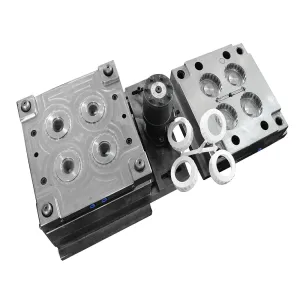
PVC Vent Cap Cap ya kufwana
Kukabula: PVC ya kutunga tiyoNtalu ya bantu me tala: 531Ntalu:Kilumbu ya kubasika: 2025-11-13 21:26:28PVC Vent Cap Cap ya kufwanaZina ya kima :PVC Vent Cap Cap ya kufwana Mabulu:6 ya mabuluStructure: moteurBima:PVCntungulu ya moule:Nsiku ya slider ya ntinu ya madidiCavité / core acier :2316 or4cr13 sambu na dibulu mpi core . Mpasi ya core/cavité: HRC 40-45 degréMashini ya kuyidika nitu:250T Mambu ya Mbi ya Mvimba:Nkumbu:pvc cap cap ya kufwananaBima ya plastique:PVCKibende ya Cavité na Core:PVC sambu na 4cr13 ya kukonda kufwa.Kibende ya Mould ya base: S45C base yina bo salaka na hongjin .Cavité NO. :8 mabuluNsiku ya kufwana: mpi normeSystème ya kubenda ya core:cylindre hydraulique to moteur...
Nsangu
kitini:
-
[industry news]Yo kele mfunu na kuyala mambu tatu na mutindu ya kuyidika in...
2024-07-18 18:13:39
Mambu
kitini:
Ba mvutu ya kusosa kele ve!
Bavideo
kitini:
Ba mvutu ya kusosa kele ve!
Kubaka
kitini:
Ba mvutu ya kusosa kele ve!
Kubaka bantu na kisalu
kitini:
Ba mvutu ya kusosa kele ve!
Bima ya bo ke lomba
Ba mvutu ya kusosa kele ve!




 Nki
Nki Telefone